Playbook
A practical playbook for venues: find the planners, run the outreach, and turn tours into repeat bookings.
 By Kevin Ho·18 min read·Updated September 2026

Corporate events are the best customers you'll ever book. Biggest budgets. Midweek, when you're slowest. Every event introduces your venue to dozens of first-timers, and a good night turns them into regulars.
So how do you get more of them? Most venues leave it to chance: a planner finds the website, a regular mentions the holiday party. Great when it happens, but you can't plan a year around random.
The venues that book corporate events regularly are systematic about it. They know how to find planners, follow up at the right time, and turn a one-time customer into a repeat booking.
The short version: how to get more corporate events at your venue: start with the warmest leads you already have. Re-engage past inquiries on their annual cycle, find the planners (office managers, HR leads, EAs) at nearby companies, reach out personally, and follow up once before moving on. The rest of this guide is the full playbook: who to contact, what to send, when to send it, and what it costs.
Outreach works best when the basics are in place. Five things before you start:
You don't need all five to start, but every one you add makes the outreach convert better. They're cheaper than any marketing, and they're what the marketing would be selling.
Corporate event booking isn't a mystery. The venues that do it well all run the same four steps, whether they know it or not:
Re-engage past inquiries. Anyone who asked about hosting an event and went quiet is a lead for next year.
Find the planners. The people at nearby companies who book team dinners, offsites, and holiday parties.
Reach out personally. One email to one person about their company, not a blast.
Follow up once. One polite follow-up a few days later. If there's no reply, move on. You're a local business, and protecting your reputation matters more than squeezing out one more reply.
You can run these steps yourself, speed them up with sales software, or hand them to a done-for-you platform. The system doesn't change. What changes is who does the work and how consistently it gets done. That's how venues attract corporate clients on purpose instead of by luck.
The honest question isn't "which approach is best." It's "which approach will still be running in March."
This is the section to read if you skip everything else. Past inquiries are the warmest leads a venue has, and almost nobody works them.
Everyone who's ever asked about hosting an event at your venue is next year's pipeline.
Corporate events run on an annual cycle: the holiday party every December, the Q1 kickoff every January. The person who asked last year is the most likely person to book this year, and right now your competitors are cold-emailing them while their thread sits in your inbox.
You can run a manual version of this in an afternoon.
Search your inbox for the words "event," "party," "group," "private," "team," "book," and "offsite." Go back three years.
Put every real inquiry in a four-column sheet: company, event type, timing (the month they asked about), status (booked, went quiet, declined).
For every "went quiet," set a calendar reminder for one month before the timing they originally asked about. That's when you email them.
Send one seasonal message per quarter to the whole list. You can start holiday party outreach as early as August, kickoffs in November, summer parties in March.
The re-engagement email
Fill in every bracket, and check the original thread before sending so you reference the right details.
Event Captain connects to your Gmail, finds every corporate event inquiry that never moved forward, and follows up before the season starts.
Opportunities are organized by company, event type, timing, and status, so you can see at a glance who asked about what and when.
Once your email is connected, everyone who has emailed you about an event shows up as a re-engagement opportunity:
Q4 2026 - Oct to Dec
Contacts due for re-engagement while they're planning this year's event
Example data shown for illustration.
Two labels do the organizing: past inquiry (asked but never booked) and past booking (booked before). The channel tag tells you where they came from: Email, Outreach, Website, or integrations like Tripleseat and Toast. Each contact is grouped by the quarter their event anniversary falls in, so the email lands while they're planning this year's event.
On top of the annual cycle, we run seasonal campaigns like "Book your holiday party before Oct 31 for VIP perks." These fill slow months with repeat business from people who already know your venue.
Want this playbook run for you? Event Captain is a done-for-you platform. We find the planners, send the outreach, and hand you the warm replies. See how it works
These are the people who get told "find us somewhere for the holiday party" and then go looking.
Usually the one who gets the "find us somewhere" assignment. Plans the party, orders the catering, and holds the booking.
Books team offsites and onboarding events. Thinks in headcounts and dates.
Books for the leadership team. Short timelines, high expectations, and the authority to say yes.
Target by title, not by seniority. The person with the least impressive title is often the one holding the booking.
Once your past inquiries are in a sheet, it's time to find corporate clients who have never contacted you.
With three to four hours a week and someone who owns it, you can run this in-house with LinkedIn, Gmail, and a spreadsheet.
Target companies with roughly 50 to 500 employees within a 30-minute drive of your venue.
Below 50, they often don't have a budget or a person whose job includes booking events. Above 500, they tend to work with agencies and hotels.
Filter by industry so the list is coherent. Tech, professional services, healthcare admin, and sales-heavy companies are reliable starting points.
The fastest signal is their job postings. Search Indeed or LinkedIn Jobs for your city plus "team events," "quarterly offsites," or "team outings." Companies that list those as perks have a budget and a habit.
A hundred is enough to learn from and small enough to personalize. Don't build a list of 1,000 you'll never work.
 Asana
Asana HubSpot
 Calendly
 Dropbox
 Notion
 Shopify
 Zendesk
 Figma
FigmaExample list for illustration.
Your own email history. Anyone who ever asked about hosting an event. Warmest list you'll ever have. Covered above. Pro tip: Event Captain plugs into your email, surfaces every past booking inquiry, and organizes them by company, event type, timing, and status, so you know who to contact each quarter without digging through three years of email yourself.
Conference and expo exhibitor lists. Companies sending teams to town need dinners and happy hours. Find upcoming shows on your convention centre's event calendar or your city's visitors bureau site, then pull the exhibitor list from the conference website.
Chamber of commerce directories. Local, sorted by industry, and the members are already active in the community.
The local business journal's book of lists. Ranked lists of the largest employers by sector. Usually a small fee, worth it.
LinkedIn company search by headcount and location. Filter to 50 to 500 employees within your metro. This is the main source for building the 100-company list.
Google Maps and local search. Zoom into the business districts in your area and see which companies have offices nearby. It surfaces local companies that don't show up on LinkedIn or exhibitor lists.
Blue-collar local companies. For auto body shops, dealerships, and similar owner-operated businesses, emailing the general info@ address often goes straight to the owner.
For each company, find one person with one of these titles: office manager, HR lead, or executive assistant.
These are the people who actually book corporate events. The CEO doesn't. The marketing director usually doesn't either.
Finding the name is the easy part. LinkedIn people search with the company name and one of those titles gets you there in under a minute.
The email is where it gets fun. A lead database beats guessing. Here's the honest breakdown (prices in USD):
The free tiers are trials, not engines. Apollo's free plan covers about 100 leads a month. Seamless.AI gives you 50 credits total, one time, then you're done.
For this to actually work, you need volume. Think 2,400 to 4,000 leads a month. At that scale you're on a paid plan, no way around it.
Doing it free? Check the company website for any published email. It gives you the pattern (first.last@, firstinitiallast@, first@). Apply that pattern to your contact's name. If the pattern doesn't verify, try the next most common format. If nothing verifies after two tries, skip the company. One verified contact beats ten guesses, and emailing info@ is usually the same as not emailing. The exception is small owner-operated businesses, where info@ often reaches the owner directly.
Whichever route you take, verify every email before you send. Around 30% of pulled leads are inactive on average: people on leave, people who changed jobs, profiles that were never updated. Send to those and you'll wreck your sending reputation before your first reply.
These all do the job:
Run your list through one of them and drop everything that doesn't come back valid.
This step is the honest reason software and services exist. If you're spending most of your outreach hours hunting emails, that's your signal to price out software or a done-for-you platform in the cost section below.
One email to one person about their company, not a blast. But one email isn't outreach. Plan the whole sequence before you write a word: opener, one bump a few days later, then move on.
Before you hit send, warm up your email. A fresh account or domain that blasts cold emails on day one gets flagged fast. Start small, ramp up over a few weeks, and never send more than 15 emails per account per day. If you need more volume, add more accounts, not more emails per account.
The templates worth stealing are in the next section.
Here's the thing most venues get wrong: they write one good email, send it to 100 people, get two replies, and conclude cold outreach doesn't work.
It works, but the email has to read like it came from a person, not a campaign. These three are close to the actual emails that book tours. Short, specific, one ask each.
The conference exhibitor
Send three to four months out. Exhibitor lists are public; attendees are a guess, exhibitors are a plan.
The drink-and-tour invite
For bars and restaurants. The drink is the point, so don't attach a deck. Send it to the office manager or EA at companies nearby.
The interest check
Send Tuesday through Thursday, when "this week" still feels real. The casual tone is the whole trick.
Send one follow-up a few days after the opener. That's it. You're a local business, and your brand matters: two polite emails is persistent, five is spam.
If there's no reply after the follow-up, they're not interested. Mark the status "no response" and move on.
When someone replies, respond within hours, not days. Planners are usually booking on a deadline and will go with whoever answers first.
Track every contact in a simple sheet: company, contact, title, last touch, status. You don't need a CRM to start. You need a sheet you'll actually open.
Quick tip on phone numbers: prospecting databases are a bad place to get them. The numbers are often outdated, or they're a switchboard that goes nowhere.
The best phone number is usually sitting in the person's email signature.
So when a planner replies asking for more info, don't just email back. Call them right then, while you're top of mind.
You're not cold calling. They asked.
Book before the season starts, not during it.
By the time a planner is searching "holiday party venue" in November, the good dates are gone and so is your leverage.
August through October: Holiday party outreach. The biggest corporate event season of the year, and the window closes fast. Start as early as August for first pick of dates. December dates should carry your highest minimums of the year.
Quick tip: plenty of planners have been burned scrambling at the last minute. Lead with that. The good dates go first.
November and December: Q1 kickoffs, sales offsites, planning sessions. Companies want to gather teams early in the year and they book before the holidays.
March through May: Summer parties, patio events, team outings.
Year-round: Annual-cycle re-engagement. Every week, someone on your past-inquiry list is one month out from the date they asked about last year.
Put these on your calendar now. Most campaigns start six to eight weeks before the season they're selling, with holiday parties the exception at four months out.
A reply isn't a booking. Most planners who agree to a tour don't have a specific event in mind yet. They're browsing.
And if the reply is "that's not me," don't pitch them. Ask one question: "Who's the best point of contact for planning events at [COMPANY]?" Then follow up with that person. A warm handoff beats another cold email every time.
So the tour isn't a closing call. It's an audition. One note: not every planner needs the full tour. Some just want the menu PDF and a ten-minute call. Start there, and save the in-person tour for the serious ones.
Run the tour like this:
1. Warm welcome. Greet them like a guest, not a lead. Your staff's impression matters as much as the space.
2. Frame it upfront. Walk of the spaces, capacities, customization options. Structured, not random.
3. Discover their needs. "Do you have any events in mind right now?" "What type of group are you usually planning for?" Take notes.
4. End soft. Confirm the best contact for follow-ups. If they mentioned an event: "Want me to check availability for that date?"
After the tour, three things: send the deck (photos, capacities, menus, something they can forward), send the follow-up email and log everything with dates, and get the deposit. A date without a deposit is a date you'll lose.
You're not trying to close everyone on the spot. You're getting on their mental shortlist, so next time an event comes up, yours is one of the three venues they call.
And don't stop at the team that booked. Ask who else plans events: other departments, the office manager, the EA upstairs. One booking, worked well, turns into recurring business from the same building.
A checklist for running the playbook yourself. If you're on Event Captain, most of this happens for you.
Mine the inbox, then build the list.
Search your inbox and build the past-inquiry sheet (company, event type, timing, status). Set reminders.
Send re-engagement emails to anyone whose season is within the next two months.
Build the 100-company list from job postings, LinkedIn, the chamber directory, and exhibitor lists.
Find the bookers and draft the sequence.
For each company, find one office manager, HR lead, or EA. Find and verify the email. Skip companies where you can't.
Draft your emails using the templates above. Personalize every one for the contact.
Send the first batch and log everything.
Send openers in volume across warmed inboxes (never more than 15 per account per day), not all 100 at once. You want to be able to reply fast.
Log every send in the tracking sheet.
Reply same-day and book tours.
Send bumps to everyone who didn't reply.
Answer every reply within hours. Call the number in their signature. Offer two specific tour times.
Four signals, reviewed weekly:
Replies per batch. How many of this week's sends responded, positive or negative. Zero replies means the list or the opener is wrong. Negative replies are fine; they mean you reached a real person.
Tours, calls, or quotes booked. The number that actually matters. Replies that don't turn into one of the three mean your ask isn't clear or you're responding too slowly.
Pipeline value. Rough estimated value of everything with a status of "tour, call, or quote booked" or "proposal sent." For your average event spend, total last year's corporate event invoices and divide by the number of events. Never tracked it? Start with your next booking.
Re-engagement hits. How many past inquiries replied to a re-engagement email this week.
The ritual: 20 minutes every Monday. Open the sheet, count the four numbers, decide one thing to change. If it takes longer than 20 minutes, the sheet is too complicated.
Why it hurts: you're a local business, and your brand matters. Five emails from a neighborhood venue doesn't read as persistent. It reads as spam, and planners talk to each other.
Fix: one opener, one follow-up a few days later. If there's no reply after that, they're not interested. Move on.
Why it hurts: office managers can tell in one sentence whether you know who they are. Generic emails get deleted or marked as spam.
Fix: one specific detail about the company in the first line, every time. If you can't find one, don't send.
Why it hurts: the CEO forwards it to nobody. The marketing director isn't the booker. Your email dies in the wrong inbox.
Fix: office manager, HR lead, or executive assistant. Verify the title and the email before sending.
Why it hurts: you're spending hours cold-emailing strangers while people who already asked to book with you get nothing.
Fix: build the past-inquiry sheet this week. Work it before you send a single cold email.
Why it hurts: planners email three venues at once and book with whoever gets back to them. A two-day delay is a lost booking.
Fix: whoever owns outreach checks the inbox twice a day. Replies to planners come before everything except a live emergency on the floor. If there's a number in the signature, call it.
Why it hurts: corporate planners buy on a long cycle. They'll tour, ask questions, then go quiet for a month or two. When an event finally comes up, they bring your venue to the planning committee and book through your website form or by phone. None of that shows up in a reply-to-booking rate, so you kill the outreach right before it pays off.
Here's what that timeline looks like when you track the full history:
Company A
Audry · corporate event contact
Initial outreach
"Want me to send over our event deck?"
Response
"Sure, I didn't know you were so close by. Feel free to send."
Website inquiry
Came to the website and submitted the form
Quiet period
No active event yet. This is normal, not rejection.
Planning committee
An event comes up. Your venue goes to the committee.
Deposit paid
Booking confirmed
Judged by direct conversion, this outreach "failed." Judged by the timeline, it worked exactly as designed.
Fix: track the full timeline, not the thread. Log the first touch, every reply, the tour, and the booking, even months apart. That's the real picture of how your venue's awareness is spreading, and Event Captain keeps it for you, all tied to one company record.
Same playbook, three ways to staff it. The work doesn't change; the price tag and your time do. The corporate event lead generation underneath is the same either way.
| Run it yourself | With sales software | Event Captain (done-for-you platform) | |
|---|---|---|---|
| Monthly cost | Your time. | About $370/month for the stack (breakdown below), plus your time. | $400/month per location. Everything included, no setup fees, cancel anytime. |
| Your time per week | Three to four hours: one on list and email finding, two on sending and replying, 20 minutes on the Monday review. | Same three to four hours, plus initial setup. | Under an hour: tours and replying to warm leads. |
| What you handle | Everything: the list, the emails, the sequences, the follow-up, the tracking. | Everything, with tools speeding up list building. | Tours and warm replies. The platform finds planners and organizes every opportunity. Our team sends the outreach and follows up. |
| Biggest risk | Dies when service gets busy and follow-up stops. | Stale lists and a subscription nobody logs into. | Stalls if the venue is slow to take over warm leads. |
The stack runs about $370/month: Instantly ($47/month, warmup included), Apollo ($49/user/month), LinkedIn Sales Navigator (about $120/month), Email List Verify (about $15/month at volume), and 20 sending inboxes on Google Workspace (about $140/month), plus a couple of spare sending domains. Swap Apollo for Seamless.AI and it pushes toward $470. Prices in USD.
If you buy the software, you supply the labor. Build a saved lead search: your metro, company headcount 51 to 500, title keywords "office manager," "executive assistant," "HR." Turn on alerts so new matches land in your inbox weekly. Export to your tracking sheet and run the same sequence: one opener, one follow-up, then move on.
Software needs an owner and a weekly rhythm or it dies. Assign one person. Block two hours on the same day every week. If that person is also running the floor on Friday night, expect the rhythm to break the first busy month.
With Event Captain, the platform does the finding and tracking, and our team does the outreach. Your job is narrow but it matters: take over warm leads promptly and run great tours.
$400 per month, per location. Everything is included. There are no setup fees and you can cancel anytime.
No. The DIY playbook can be run by one person with three to four protected hours a week.
With Event Captain, your team's job is to take warm leads and run tours, which your existing staff already know how to do.
You can start as early as August.
Planners choose venues well before November, and the venues that reach out first get the best dates.
Corporate events repeat annually. Event Captain connects to your Gmail, finds past inquiries that never moved forward, and follows up before the same season comes around again.
Opportunities are organized by company, event type, timing, and status. We also run seasonal campaigns to the same list.
If you're doing it yourself, mine your inbox, build a four-column sheet, and set reminders one month before each inquiry's original timing.
With Event Captain, we introduce the interested planner directly to your team so you can handle the tour and close.
Doing it yourself, you reply the same day, call the number in their signature, offer two tour times, and log the status in your sheet.
Most failed attempts share the same causes: one email with no follow-up, generic messaging, unverified emails that bounced, or the wrong contact.
Before concluding it doesn't work, check whether you ran an opener plus one follow-up to verified office managers, HR leads, and EAs with a personalized first line. If not, it hasn't really been tested yet. And if you've never booked a single corporate event, make sure the readiness basics are covered before trying again.
Yes. The planners, past inquiries, and pipeline built during your subscription are your venue's relationships. Cancel anytime and take them with you.
A salesperson is a full-time salary, benefits, ramp time, and management.
Event Captain is $400 a month per location, starts immediately, runs the outreach and re-engagement system consistently, and hands your team warm leads.
It doesn't replace the person who runs the tour and closes the deal. That's still you.
Want more detail? See our pricing and the full FAQ. Looking for more playbooks? Browse our guides.
Real venues booking more corporate events with Event Captain.
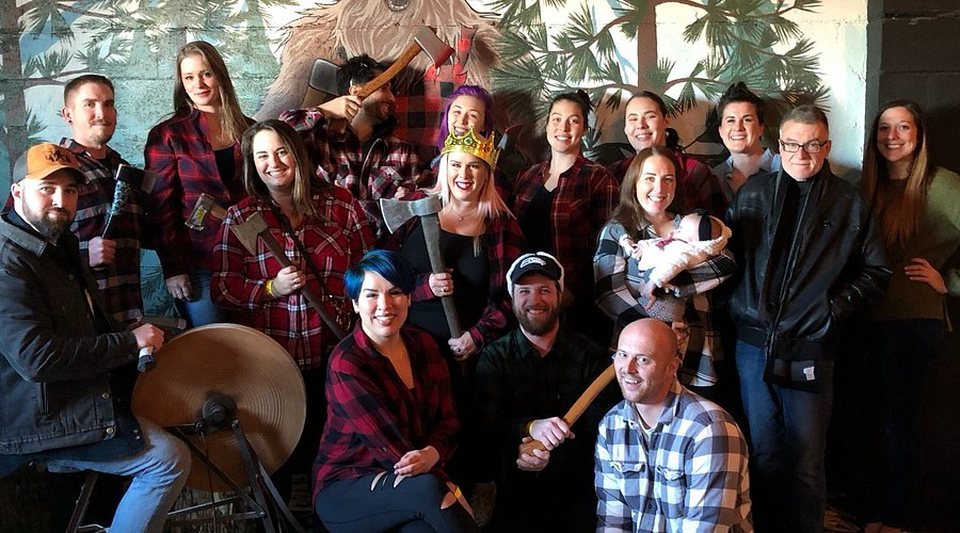
Increased corporate event revenue by 87%.
Owner Keith always knew corporate events were the most profitable bookings, with bigger budgets, midweek revenue, and repeat potential, but the venue had no consistent pipeline of high-value leads. Event Captain delivered a steady flow of corporate leads and helped re-engage past event clients.
Read the case study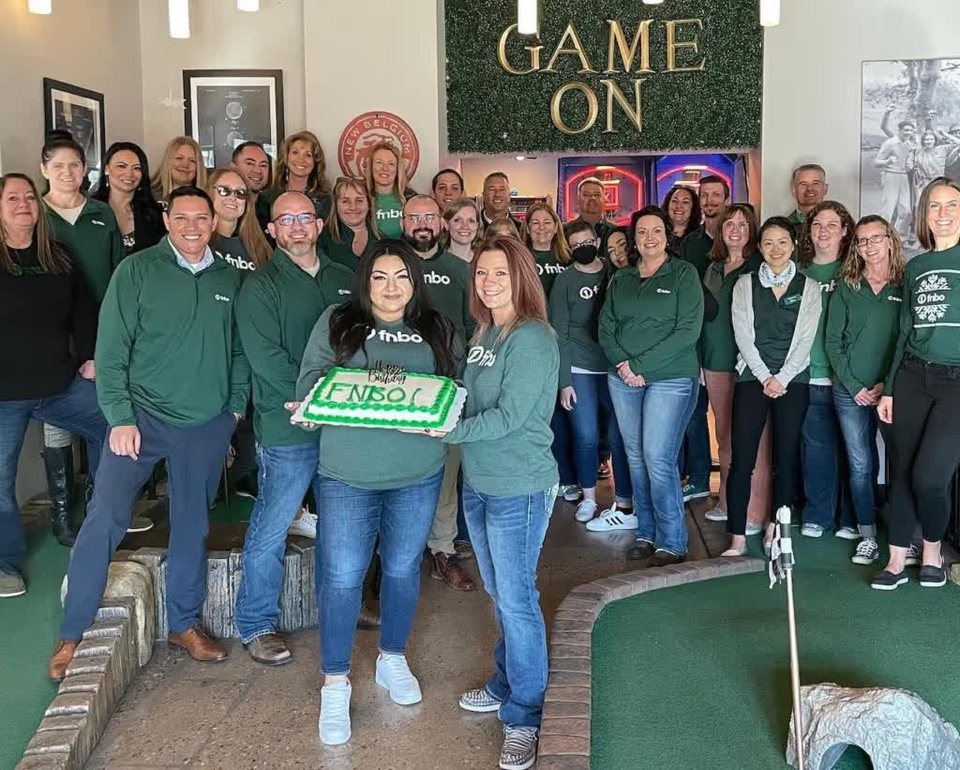
Boosted event sales 35% with more corporate bookings.
Owner Dana relied on weekend traffic and had few corporate bookings, leaving unused capacity during the week. Event Captain targeted planners to secure weekday and off-hour bookings, including full venue buyouts, and event sales grew 35% with more corporate bookings.
Read the case study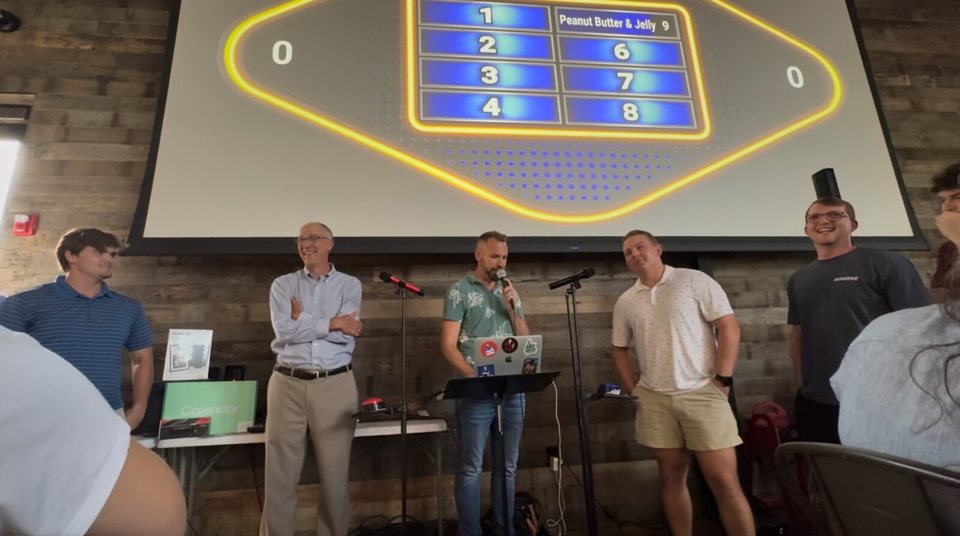
Broke through to organizations they had been trying to book for years.
With nightly shows and full days of corporate prep, finding new clients kept falling to the bottom of the list. Event Captain took over prospecting and outreach, breaking through to organizations the business had been trying to book for years.
Read the case study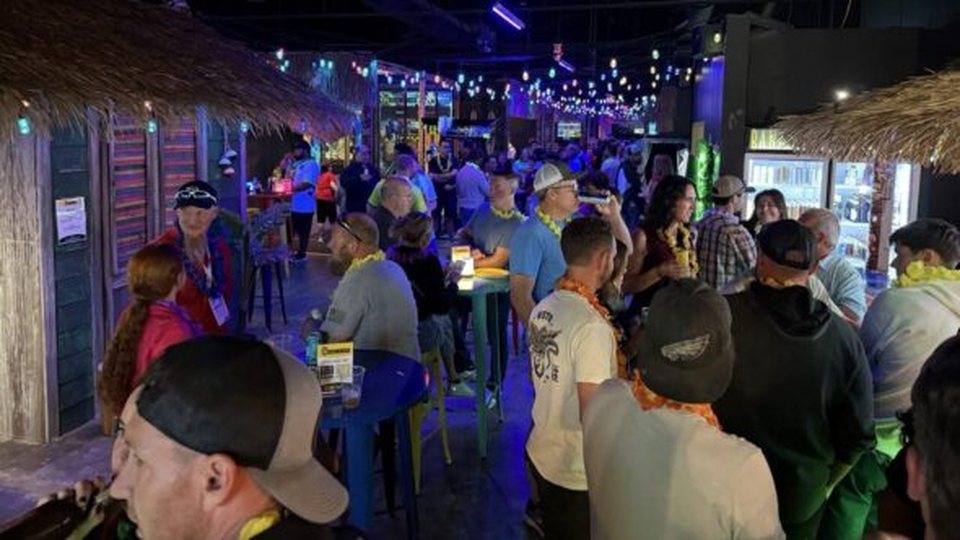
Filled their calendar with corporate events.
Owner Stuart knew corporate events were the highest-value bookings, with bigger budgets, midweek dates, and repeat business, but had no reliable way to find and stay connected with planners. Event Captain filled the calendar with corporate events.
Read the case study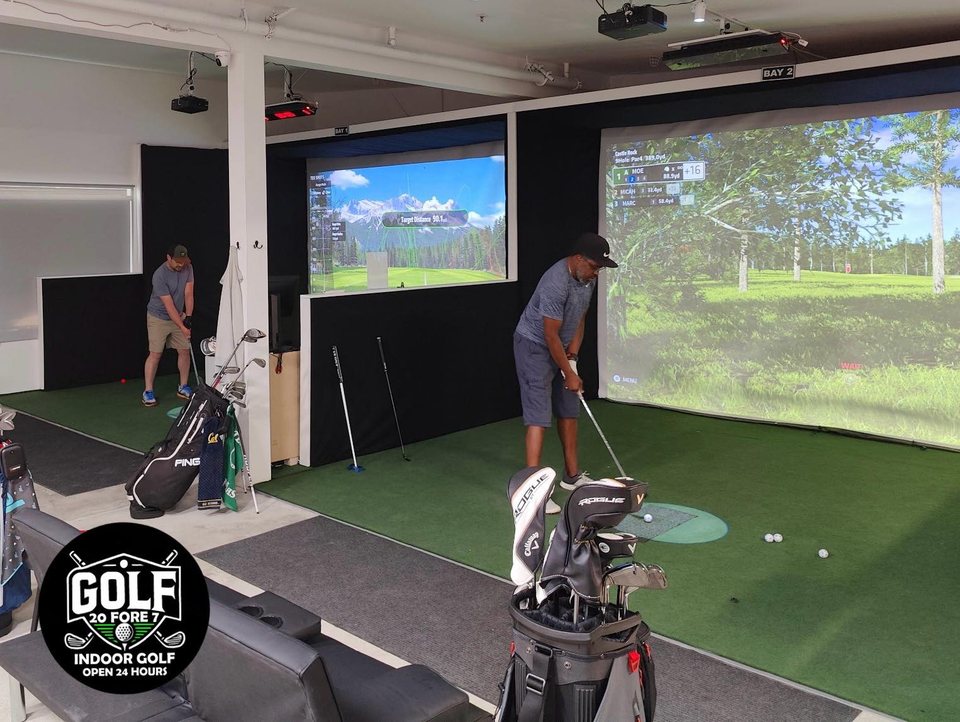
Expanded local awareness and increased bookings.
Founder Marc had strong offerings and a loyal customer base, but getting consistent visibility with nearby companies was an ongoing challenge. Event Captain ran structured outreach to nearby companies, planning teams, and community groups, expanding local awareness and increasing bookings.
Read the case study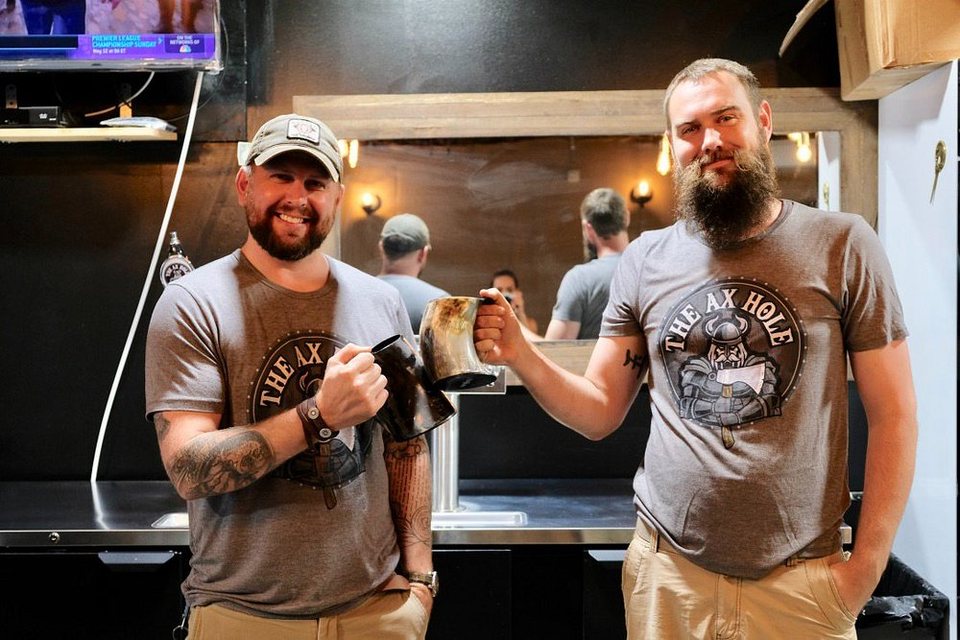
Unlocked a predictable pipeline of corporate event inquiries.
Built for group experiences, team events, and corporate outings, the venue had demand but no reliable way to get in front of the planners booking team events. Event Captain unlocked a predictable pipeline of corporate event inquiries.
Read the case study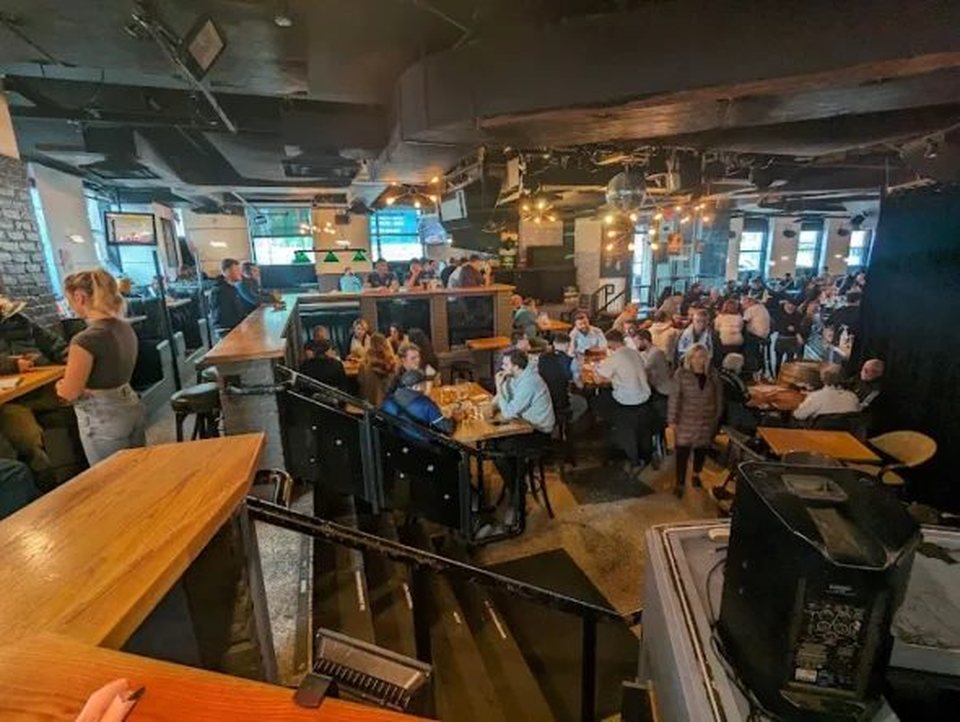
Turned corporate interest into confirmed bookings.
Game days filled the venue, but outside of sporting events demand was far less consistent. Event Captain implemented a structured outreach and follow-up system aimed at corporate planners, turning corporate interest into confirmed bookings.
Read the case study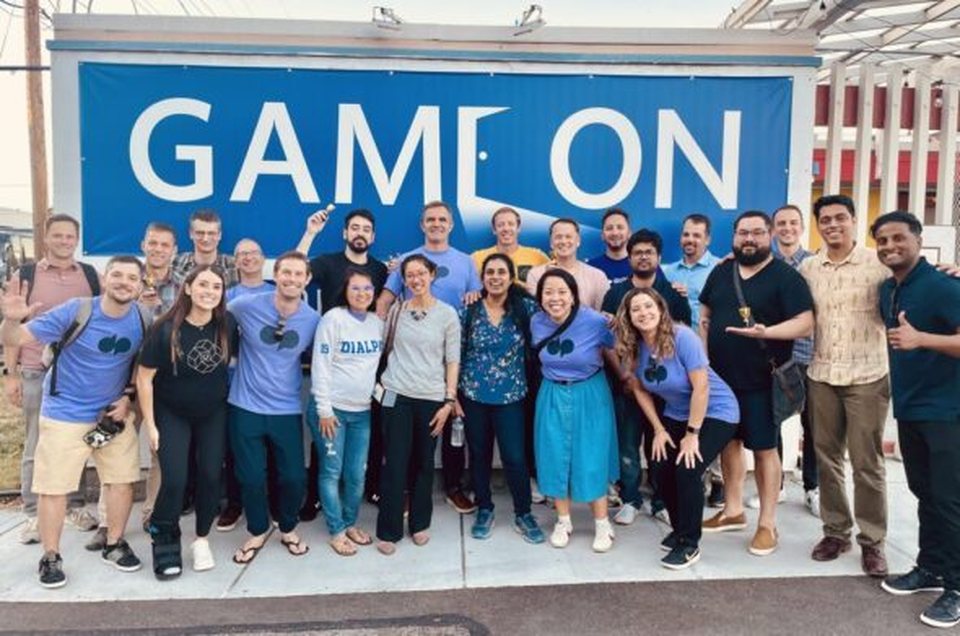
Generated more private event bookings.
Private events were a clear growth lever, but identifying the right organizations and the correct contact inside each was difficult and time consuming. Event Captain handled that work, generating more private event bookings.
Read the case study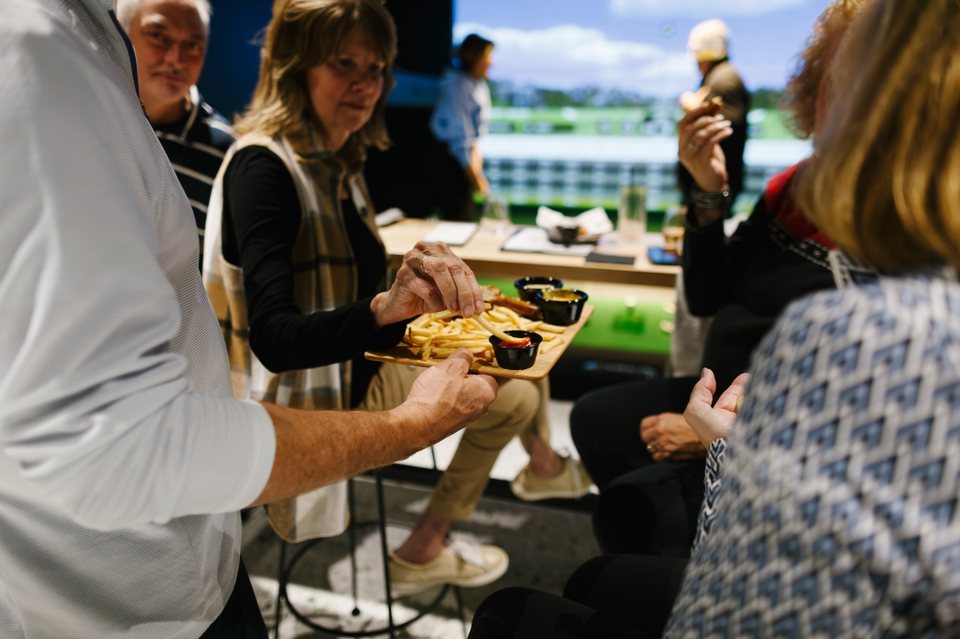
Built a corporate events pipeline beyond inbound demand.
Steady inbound interest had the venue covered, but growth was capped by a reactive pipeline with no clear way to reach the people inside local organizations who make event decisions. Event Captain ran turnkey outbound to HR leaders, office managers, and executive assistants, building a corporate events pipeline beyond inbound demand.
Read the case study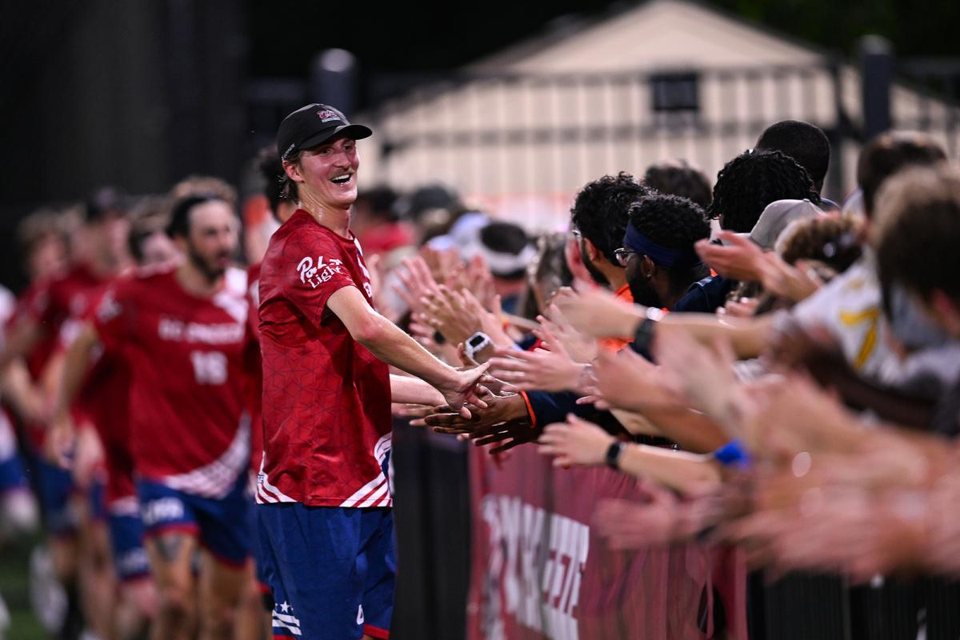
Built a consistent pipeline of corporate event organizers.
Growing corporate group bookings was a priority, but with day-to-day operations demanding attention, prospecting fell to the bottom of the list. Event Captain took over research and outreach to corporate event organizers, building a consistent pipeline.
Read the case study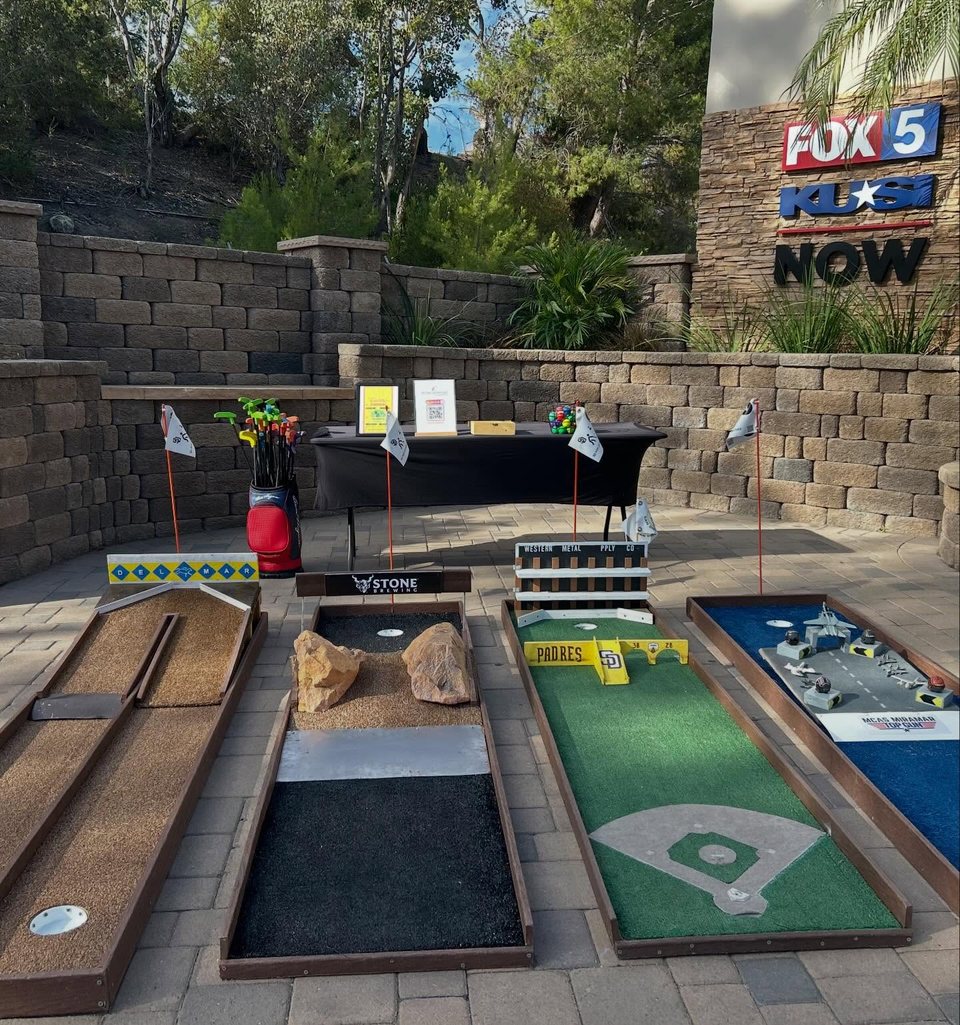
Secured new corporate event bookings in San Diego.
Most bookings came from occasional inbound inquiries and word of mouth, with no structured system for introducing the mobile mini-golf experience to companies. Event Captain connected with HR managers, office managers, and planners across San Diego, securing new corporate event bookings.
Read the case study
Doubled private event bookings.
The cellar already had the ingredients for memorable corporate and private events, and was already booking them, just not at the volume the team wanted. Event Captain's proactive system doubled private event bookings.
Read the case study
Reduced dependence on third-party platforms and started building its own event pipeline.
The business generated most of its catering leads through third-party platforms like ezCater, which worked but left it dependent on people who already knew the brand. Event Captain reduced that dependence and started building its own event pipeline.
Read the case study
Measurable returns from cold outreach and past-event follow-up.
Tipsy Putt runs corporate events across four California venues, but the team was spending hours in tools like Instantly AI and ZoomInfo trying to run outreach themselves. Event Captain took over cold outreach and follow-up with past events, delivering measurable returns from both.
Read the case studyWe find the HR managers, office managers, and executive assistants near you who are planning events, reach out personally, and hand you the warm replies. You take it from there.
Trusted by 150+ venues across North America
